
Blogs
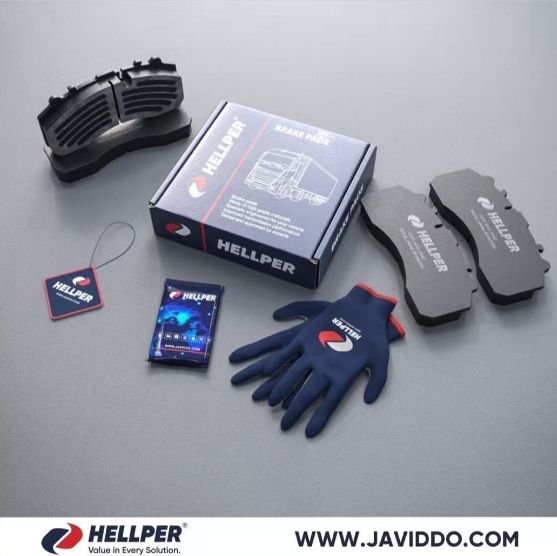
How to Change Your Car’s Brake Pads with HELLPER
Changing your brake pads can be a quick and easy process, especially when you’re using HELLPER brake pads. Here’s how to make the process smooth and enjoyable with HELLPER’s high-quality products. What You Need: Car Jack Jack Stands Lug Wrench HELLPER Brake Pads HELLPER Gloves (for protection) HELLPER Wet Wipes (for cleanup) Steps: Open the HELLPER Box: Start by opening the HELLPER box, where you’ll find everything you need to get the job done. Take out the HELLPER gloves and put them on to protect your hands during the process. Lift the Car: Use the car jack to lift your vehicle off the ground, and secure it with jack stands for safety. Remove the Wheels: Loosen the lug nuts and remove the wheels, exposing the brake components. Remove the Old Brake Pads: Take out the old brake pads from the brake caliper carefully. Set them aside for disposal. Install the HELLPER Brake Pads: Take the new HELLPER brake pads out of the box and install them into the caliper. HELLPER pads are known for their long lifespan and high performance, ensuring your vehicle stays in top shape for a longer time. Clean Up with HELLPER Wet Wipes: Once the new pads are installed, grab a HELLPER wet wipe from the box and clean your hands. These wipes are perfect for getting rid of grease and dirt, leaving your hands fresh and clean. Use the HELLPER Car Scent: For that final touch, use the HELLPER car scent that comes in the box. Simply place it inside the car to keep the interior smelling fresh and clean. Reinstall the Wheels: Put the wheels back on and tighten the lug nuts securely. Lower the car back to the ground. Test the Brakes: Press the brake pedal a few times to ensure everything is seated properly. Take a short test drive to make sure the new HELLPER brake pads are working perfectly. And you're ready to hit the road! With HELLPER brake pads, your car is equipped with high-quality, long-lasting, and reliable parts, ensuring a safer and more comfortable driving experience. Plus, the added bonus of HELLPER’s car scent makes every journey even more pleasant!
What are aftermarket spare parts and how do they differ from genuine ones?
When there is a problem with the car, you are left with two options - genuine (original or OEM) and aftermarket spare parts. But what is the difference between them? The spare parts used in the production of cars are either produced directly by the company or obtained from other manufacturers within the framework of the relevant contract and agreement. These spare parts are called original, "genuine" or OEM (Original Equipment Manufacturer). "Aftermarket" spare parts are parts based on the originals, but produced by a third party, that is, independent manufacturers. These spare parts are in most cases exactly the same as the originals and are either inferior to the originals in terms of quality or provide the same quality and functionality. In special cases, some company spare parts can even be of better quality and durability than the original. It is important to know that spare parts, known as aftermarket or branded parts, are not counterfeit products - they are simply produced by other manufacturers, called third parties, and marketed to the consumer market under their brand name. There is no doubt that not all the products of the manufacturers or brands operating in the field in question can be considered high quality. At the same time, not all original spare parts are of sufficient quality. For example, according to a study conducted, in the vast majority of cars recalled by the factory in 2019, the problematic part was the car manufacturer's replacement parts - that is, the original ones. Although this is understandable as a dilemma, if the car is purchased from an official distributor or dealer, you have almost no choice between genuine or aftermarket spare parts during the warranty period of the car. Because, during the warranty period of your car, it is required to be serviced only at official service centers. That’s why you are only eligible to have spare parts offered by the official service center, i.e., original spare parts. The question that arises at this time is, on what basis should the buyer recognize, choose, and buy a brand that provides quality products? Below we have listed the features that will be useful and easily identifiable: 1. Special attention should be paid to product packaging. Experiences show that most manufacturers of low-quality and fake products pay attention to their packaging as much as they pay attention to the quality of the product - low. When it comes to quality packaging, 2 features should be considered: - Aesthetics, attractiveness. - The authenticity of the information on it. 2. You need to familiarize yourself with the terms of the warranty. With the exception of some spare parts, almost all parts must be guaranteed by the manufacturer. As with original parts, aftermarket parts have warranties depending on the type of product. Be careful if the product you're considering doesn't have it. 3. Research the brand online. If a brand doesn't have an official website and public address, company information section, and social media accounts, it's worth being suspicious. The most important part of sales is marketing, and if nothing is done by the brand at this stage, it is unlikely that the products will be of good quality. It is an indisputable fact that there are plenty of low-quality ones among aftermarket parts. But this should not affect the quality and reputation of other brands. You can rely on aftermarket parts just as you rely on genuine parts to solve the problem with your car. Review the product based on the criteria above and get the product you want at a more affordable price!