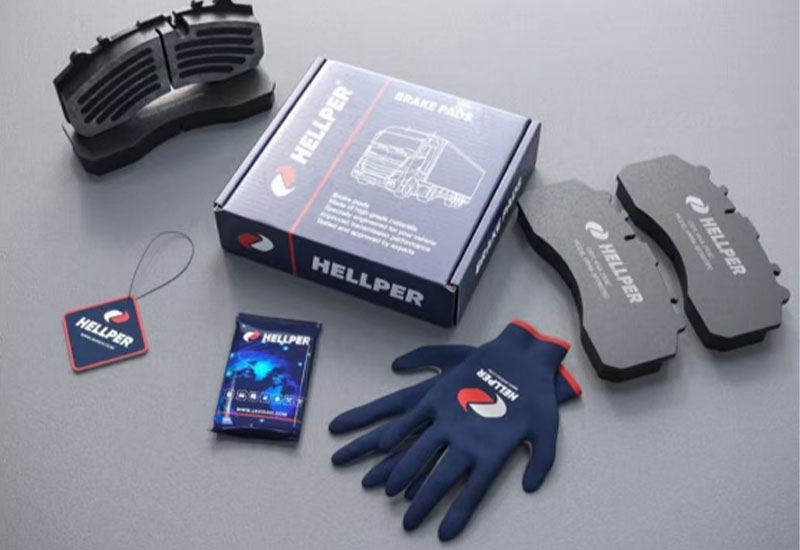
Brakes are the most critical safety system in any vehicle. Over time, the brake pads that create the friction needed to stop your car wear down and must be replaced. At Hellper, we know that well-maintained brakes are not just about performance—they’re about your safety and confidence on the road. This detailed guide explains how to replace your brake pads properly, what to look out for, and how Hellper can help you keep your vehicle in top condition.
Understanding Brake Pads and Why They Matter
Brake pads are flat steel-backed plates lined with friction material. When you press the brake pedal, the pads clamp against the brake rotor, creating friction that slows the wheels. Over time, this material wears away, making replacement essential.
Why it’s important to replace them:
-
Safety: Worn pads increase stopping distance.
-
Performance: Fresh pads ensure smoother, quieter braking.
-
Cost efficiency: Delaying replacement can damage rotors and lead to costly repairs.
Most vehicles require new brake pads every 30,000–70,000 km, depending on driving habits, terrain, and pad quality. Drivers who commute in heavy traffic or drive in hilly areas may need replacements sooner.
Step-by-Step Guide: How to Replace Brake Pads Safely
Replacing your own brake pads can save time and money if done correctly. Follow these steps carefully, and always prioritize safety.
Step 1: Gather the Tools
Before you begin, make sure you have:
-
A car jack and jack stands
-
A lug wrench
-
A C-clamp or brake caliper tool
-
New brake pads (compatible with your vehicle)
-
Brake grease and cleaner
-
Socket set
Step 2: Prepare the Vehicle
-
Park on a level surface and engage the parking brake.
-
Loosen the lug nuts slightly before lifting the vehicle.
-
Raise the car with the jack and secure it with jack stands.
Step 3: Remove the Wheel and Caliper
-
Fully remove the lug nuts and take off the wheel.
-
Locate the brake caliper and unbolt it using the socket wrench.
-
Do not let the caliper hang by the brake line—secure it with a bungee cord or place it on a stand.
Step 4: Remove Old Brake Pads
-
Slide out the old brake pads from the caliper bracket.
-
Check the rotors for wear or scoring—if they look damaged, consider resurfacing or replacing them.
Step 5: Install New Brake Pads
-
Use the C-clamp to compress the caliper piston slowly back into its housing.
-
Apply a small amount of brake grease to the back of each pad (avoid the friction surface).
-
Place the new pads into the caliper bracket, ensuring they fit snugly.
Step 6: Reassemble and Test
-
Reattach the caliper and tighten all bolts securely.
-
Reinstall the wheel and lower the vehicle.
-
Before driving, pump the brake pedal a few times to seat the new pads and restore pressure.
Step 7: Road Test
Take a short drive at low speed to confirm smooth braking. Listen for any unusual noises or vibrations. A faint smell or slight squeak may occur during the initial bedding process—this is normal.
Tips for Safer and Longer-Lasting Brakes
-
Avoid hard braking whenever possible.
-
Have your brake fluid checked regularly.
-
Replace pads in pairs (both front or both rear) for balanced braking.
-
Inspect rotors for even wear.
Hellper’s Commitment to Quality and Safety
At Hellper, we provide premium-grade brake pads engineered for durability, consistency, and reliable performance under all driving conditions. Our pads meet or exceed OEM standards, offering:
-
High heat resistance for stable braking
-
Low dust and noise levels for a cleaner, quieter ride
-
Enhanced stopping power for better control
Every Hellper component undergoes rigorous testing to ensure superior performance and long-term reliability. Whether you’re a professional mechanic or a car owner who values safety, Hellper parts help your vehicle stop precisely when you need it to.
Final Thoughts
Replacing your brake pads is an essential maintenance task that ensures safety, saves money, and enhances your driving experience. With the right tools and quality parts, it’s a straightforward job anyone can master.
For dependable performance, always choose Hellper brake pads — trusted by drivers and professionals worldwide for their balance of quality, value, and safety.